Form 3115: The founder's guide to changing your accounting method


At some point in your startup's life, the way you record money coming in and going out stops matching how your business actually works. Maybe you raised a seed round and your investors want accrual-based financials. Maybe you crossed a revenue threshold and the IRS is now requiring you to switch methods. Maybe you realized you have been claiming the wrong depreciation schedule for years and you want to fix it cleanly.
In all of these situations, you cannot just quietly change your approach and move on. The IRS needs to know. And the way you tell the IRS is through Form 3115.
Most founders have never heard of this form until their accountant mentions it before a big filing or a fundraiser. This guide breaks down exactly what Form 3115 is, when your startup needs to file it, how the adjustment calculation works, and what the process looks like in practice.
What is Form 3115?
Form 3115 is officially called the Application for Change in Accounting Method. You file it when you want to change either your overall method of accounting or the way you account for a specific item within your books.
The IRS requires this form because your accounting method directly affects when you report income and expenses. If you change that method without telling the IRS, your tax returns from past years and the current year stop being consistent. The IRS cannot accurately process your filings if the rules you are using have shifted without notice.
Think of Form 3115 as the formal paperwork that keeps you and the IRS aligned when your accounting approach changes.

Why would a startup need to file Form 3115?
There are several common scenarios where a startup ends up needing to file this form.
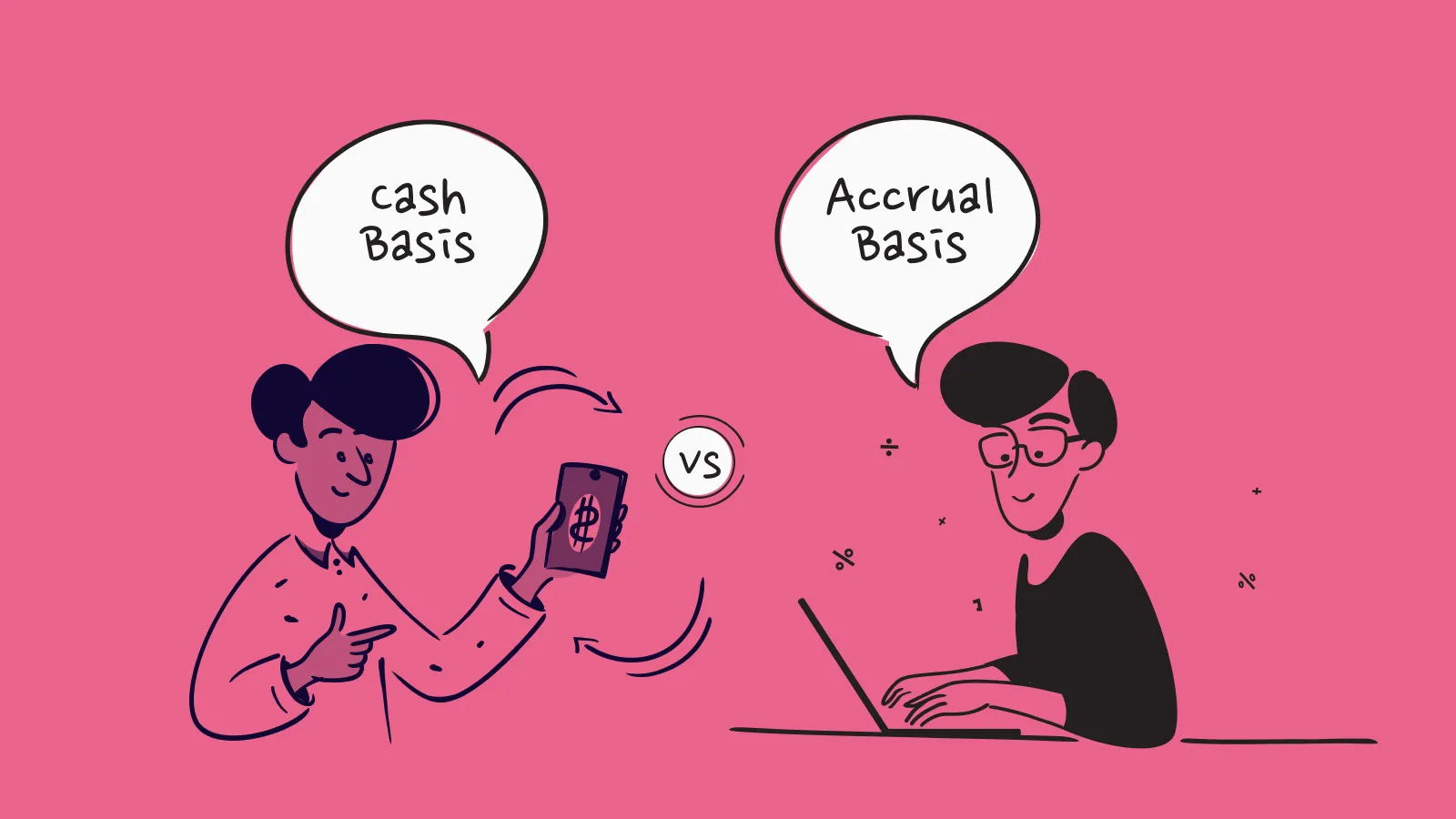
You are switching from cash to accrual accounting: This is the most common trigger for startups. Early-stage companies almost always start on cash basis because it is simpler. You record income when you receive it and expenses when you pay them. But as your business grows, this method stops reflecting your actual financial position. Investors and lenders want to see accrual-based financials because they show a more accurate picture of revenue earned and expenses owed, regardless of when the cash actually moved.
For tax years beginning in 2026, businesses with average annual gross receipts of more than $32 million over the prior three tax years are required by law to use the accrual method. That threshold is adjusted for inflation each year. C-Corporations, partnerships with C-Corp partners, and tax shelters are typically the first entities to cross this line. When you cross it, you are required to file Form 3115 to make the switch official.
Even if you are well below the threshold, many founders voluntarily switch to accrual ahead of a Series A raise because investors and their financial due diligence teams expect it.
You want to fix a depreciation error from prior years: Depreciation is complicated, and it is very common to realize after the fact that you have been using the wrong recovery period or the wrong method for an asset. If you have been claiming less depreciation than you were entitled to, Form 3115 lets you catch up the entire shortfall in the current year through a corrective adjustment. You do not have to file amended returns for every prior year. You make the correction going forward through this form, which is one of its most useful practical features.
Your accounting method no longer matches current IRS guidance: Tax law changes over time, and sometimes a method that was acceptable before gets updated or replaced. For example, the rules around research and experimental expenses under Section 174 went through significant changes between 2022 and 2025. Businesses that needed to update how they treated these costs used Form 3115 to make the transition properly.
You are correcting a past error that affected income or expenses: If you realize that your previous accounting treatment for a category of transactions was wrong, Form 3115 gives you a structured, IRS-approved way to correct it. This is cleaner than filing amended returns for multiple prior years and is generally preferred by both taxpayers and the IRS.
Automatic changes vs Non-Automatic changes
Before you file Form 3115, the first thing your accountant will figure out is whether your change qualifies as automatic or non-automatic. This distinction matters because it determines the filing process and timeline.
Automatic changes are method changes that the IRS has pre-approved as permissible. If your change falls on this list, you do not need to wait for the IRS to review and approve your request. You simply attach Form 3115 to your timely filed tax return for the year of the change and send a signed duplicate copy to the IRS office in Ogden, Utah. The change goes into effect immediately. The list of automatic changes is updated regularly, and as of June 9, 2025, the current governing document is Revenue Procedure 2025-23. Common automatic changes include switching from cash to accrual, updating depreciation methods, and many inventory-related adjustments.
Non-automatic changes are method changes that require advance consent from the IRS. These are less common and more complex. For non-automatic changes, you file Form 3115 with the IRS National Office in Washington, D.C. during the tax year in which you want to make the change, before the return is filed. The IRS then reviews your application and issues a ruling. This process takes longer and requires more detailed documentation.
For most startups, the changes they need to make fall under the automatic category. A switch from cash to accrual, for example, is an automatic change for most businesses.
How does the section 481(a) adjustment work?
This is the part of Form 3115 that founders find most confusing, so it is worth spending some time on it.
When you switch accounting methods, there is typically a gap between what you reported under your old method and what you would have reported under the new method. The IRS closes that gap through something called a Section 481(a) adjustment. The purpose of this adjustment is to make sure income and expenses are not counted twice or missed entirely just because you changed your approach.
Here is a simple way to think about it. Suppose your startup switches from cash to accrual accounting at the beginning of 2026. Under cash basis, you had not recorded accounts receivable because you only tracked money when it arrived. Under accrual, you would have been recording that receivable when the work was completed. The difference between those two amounts is what the Section 481(a) adjustment captures.
The adjustment can go in either direction.
A negative adjustment means you actually have more deductions available under your new method than you claimed under the old one. The IRS lets you take the full deduction in the current year, all at once. This is the best-case scenario because it reduces your taxable income immediately.
A positive adjustment means your new method recognizes more income than your old one did. This creates additional taxable income. Rather than hitting you with the full amount in one year, the IRS typically allows you to spread a positive adjustment over four years. So if the adjustment is $40,000, you would add $10,000 to your taxable income each year for four years. This spreading is specifically designed to reduce the cash flow burden of making the switch.
One important detail: If your startup is already under IRS examination when you want to make a method change, different rules apply. Consult your tax advisor before filing in that situation.
The five-year waiting period
One thing founders are often surprised to learn is that you generally cannot make the same accounting method change twice within a five-year window using the automatic procedures. If you changed a specific item under the automatic rules, you typically need to wait five years before changing that same item again.
This is different from what some online sources describe as a two-year rule. The correct rule for repeating the same item change under the automatic procedures is five years, subject to specific exceptions. If you need to make a second change within that window, you would need to go through the non-automatic process and get advance consent.
What does the filing process actually look like?
The process is more paperwork-intensive than most founders expect. Here is what it looks like in practice.
First, your accountant identifies exactly what is changing and maps it to the correct change number in the IRS revenue procedure. Each type of method change has a designated code. Getting this wrong is one of the most common errors that causes IRS delays.
Second, they prepare the Section 481(a) adjustment calculation. This requires pulling financial data from prior years and calculating the cumulative difference between your old method and your new one. The accuracy of this calculation matters a lot because it directly affects your taxable income.
Third, Form 3115 is completed with the details of the change: your current method, your proposed method, the reason for the change, the relevant code section, and the adjustment amount.
For automatic changes, the original Form 3115 is attached to your timely filed federal tax return for the year of the change, including any extensions. A signed duplicate is sent to the IRS in Ogden, Utah at the same time or earlier. The IRS treats the change as having taken effect at the beginning of the tax year, regardless of when you actually file.
For non-automatic changes, you file with the IRS National Office during the tax year, before your return is filed, and wait for written approval.
Common mistakes founders make with Form 3115
Filing the wrong change number is the most frequent error. The IRS categorizes method changes by designated change numbers in the revenue procedure, and using the wrong one can result in the form being rejected or the change not being recognized.
Filing too late is the second most common problem. For automatic changes, Form 3115 must be attached to a timely filed return, including extensions. Missing this deadline means your change may not be valid for that year.
Miscalculating the Section 481(a) adjustment is the third. This calculation needs to capture every affected item across all prior years, not just the most recent one. An incomplete calculation creates inconsistencies that the IRS can flag on examination.
Not sending the duplicate copy to Ogden is a procedural error that still trips people up. Both the original attached to your return and the duplicate sent to Ogden are required for automatic changes.
What does this mean for India-US startups specifically?
If you are an Indian founder with a Delaware C-Corp and an Indian subsidiary, Form 3115 has a few additional layers worth knowing about.
Your transfer pricing agreements between the US parent and the Indian entity are based partly on your accounting method. When you change your US accounting method, you need to check whether the change affects how income is allocated between the two entities. In some cases, a method change in the US entity can have downstream effects on the intercompany pricing documentation you have in place.
Additionally, if your Indian entity is treated as a controlled foreign corporation for US tax purposes, the accounting method used in the US parent affects how certain income items are reported on forms like Form 5471. A switch from cash to accrual in the US entity can change the timing of income recognition in ways that flow through to those international filing obligations.
These are not reasons to avoid making the change. They are reasons to work with a tax advisor who understands both sides of your corporate structure before filing.
When should your startup file Form 3115?
There is no universal timeline for filing Form 3115. The right moment depends on what is changing in your business and why.
For most startups, the filing happens in the same tax year they switch from cash to accrual. This usually comes up in one of three situations: your investors request GAAP-compliant financials ahead of a Series A, your accountant flags that you have been using the wrong depreciation method, or you cross the gross receipts threshold that makes the accrual method a legal requirement rather than a choice.
If you are heading into a fundraise or due diligence process and you are still on cash basis, it is worth having that conversation with your accountant sooner rather than later. The Section 481(a) spread over four years can make the transition more manageable from a tax perspective than most founders expect going in.
Need help determining whether your startup needs to file Form 3115, or managing the switch from cash to accrual accounting? Book a demo with Inkle and we will walk you through what your books need to look like before and after the change.
.jpg)