Best startup accelerators for India-US founders in 2026



Indian founders are increasingly building companies for global markets, and many of the world's leading accelerator programs now actively invest in founders based in India or building India-US businesses. Alongside global programs such as Y Combinator and Techstars, founders can also choose from India-focused accelerators like Peak XV Surge, Accel Atoms, Entrepreneur First, and Antler, each offering different funding models, mentorship, and market access.
The accelerator options available to India-US founders in 2026 are better than they have ever been, and they are genuinely differentiated from each other. Some programs offer standardized investment terms with fixed equity percentages, while others negotiate investment amounts and ownership on a company-by-company basis. Several accelerator programs also operate on a non-dilutive model and do not take equity for participation. The right choice depends on your stage, your sector, and whether you are building for the Indian market, the US market, or both.
What to know before applying: The Delaware C-Corp question
One practical issue that affects almost every program on this list is the entity structure requirement. Most US-based accelerators require or strongly prefer that portfolio companies be incorporated as Delaware C-Corps before the investment is made, or at minimum as a condition of closing.
YC accepts applications from companies incorporated anywhere in the world but strongly advises Indian founders to incorporate in Delaware before or during the batch. Techstars explicitly states that if a company is incorporated in India, it will need to complete a flip to a US entity before Techstars can invest. Surge accepts Indian entities and invests through instruments compatible with Indian companies, making it the most accessible option for founders who have not yet incorporated in the US.
The flip process, converting an Indian private limited company into a subsidiary of a newly formed Delaware C-Corp, is one of the specific processes that Inkle Incorporate handles. If you are planning to apply to a US accelerator and have not yet incorporated in the US, doing so before or alongside your application removes a friction point that can delay investment closing.
1. Y Combinator
Investment: $500,000 total. $125,000 on a post-money SAFE for 7% equity, plus $375,000 on an uncapped SAFE with a Most Favored Nation provision.
Duration: 3 months, in person in San Francisco.
Application deadline: Fall 2026 batch on-time deadline is July 27, 2026 at 8:00 PM PT. Decisions by August 28. YC runs four batches per year (Winter, Spring, Summer, Fall), each admitting approximately 150 to 250 companies from over 25,000 applications.
Acceptance rate: Under 1 to 2 percent.
Y Combinator is the benchmark against which every other accelerator on this list is measured. Since 2005 it has funded over 5,000 companies with a combined valuation exceeding $600 billion. The Indian portfolio includes Razorpay, Groww, Meesho, Zepto, and well over 157 India-headquartered companies.
The YC Summer 2026 batch saw $500,000 investment for 7% equity via two separate agreements: $125,000 on a post-money SAFE for 7% equity, plus $375,000 on an uncapped SAFE with a Most Favored Nation provision.
For India-US founders, YC's most valuable contribution is not the money. It is the Demo Day audience, the alumni network, and the signal that a YC acceptance sends to every subsequent investor for the life of the company. The batch is in person in San Francisco, which means India-based founders need to plan for visa, relocation, and accommodation costs for at least three months.
Best for: Founders with a globally scalable product who are willing to relocate to San Francisco for three months and want the strongest possible investor signal for their seed round.
2. Techstars
Investment: $220,000 total. $20,000 through a Post-Money Convertible Equity Agreement for 5% common equity, plus $200,000 through an uncapped MFN SAFE.
Duration: 3 months.
Application deadline: Rolling by program. Multiple programs run simultaneously across cities and verticals.
Acceptance rate: 1 to 2 percent.
Techstars invests $220,000 in companies accepted into its accelerator programs. This offer includes $200,000 through an uncapped MFN Safe, plus $20,000 through a Post-Money Convertible Equity Agreement. Before Techstars commits to investing in the company, certain checks will be required. For example, if a company is incorporated in India, it will need to complete a flip before Techstars can invest.
The Techstars deal was overhauled in April 2025 from $120,000 to the current $220,000 structure, and the new terms mirror the uncapped SAFE structure that YC pioneered. Techstars runs programs across 40 accelerators worldwide, including a dedicated Bangalore program and a Techstars Anywhere program for remote-first teams. Techstars Anywhere explicitly accepts Indian founders provided they can operate aligned with American time zones.
Best for: Founders who want a city or vertical-specific program with deep mentorship, or who prefer a remote-friendly format that does not require full relocation.
3. Peak XV Surge (formerly Sequoia India)
Investment: Up to $3 million in seed capital, negotiated on a company-by-company basis (no fixed equity percentage).
Duration: 16 weeks.
Application deadline: Rolling cohorts. Surge 11 launched September 2025. Surge 12 applications expected to open late 2026.
Stage required: Post-MVP with early traction. Not for idea-stage teams.
Peak XV Surge remains one of India's leading accelerator programs for early-stage startups. The program combines founder mentorship with institutional seed funding and has backed many successful Indian technology companies. Unlike accelerators with standardized investment terms, Surge negotiates investment size and equity on a company-by-company basis. The program offers up to $3 million of seed capital combined with a 16-week curriculum led by global founders and operators. Unlike YC's flat 7%, Surge negotiates equity on a company-by-company basis.
Surge evaluates approximately 4,800 applications per cohort and admits roughly 20 to 25 companies. The program is India-native and does not require a US entity at application, which makes it the most accessible major accelerator for founders who are still building in India before a US expansion. Notable alumni include Khatabook, Classplus, Jar, and BukuWarung.
Best for: India-first founders with a working product and clear traction who are planning to raise a $1 million or larger seed round and want a Pan-Asia network behind them.
4. Accel Atoms with Google AI Futures Fund
Investment: Up to $2 million, including $350,000 in Google Cloud credits.
Duration: 3 months.
Application deadline: The 2026 cohort ran February to May 2026. Applications for the next cohort are expected to open late 2026 or early 2027.
Eligibility: Indian and Indian-origin founders globally.
Accel Atoms' AI-focused cohort is designed for Indian and Indian-origin founders building AI-native startups. Participants receive mentorship from Accel's investment team, access to Google's AI ecosystem, cloud infrastructure support, and opportunities to engage with founders and operators across the Accel network. Investment terms and partner benefits may vary by cohort.
Best for: AI founders of Indian origin at the pre-seed or early seed stage who need compute resources and Accel's enterprise customer network.
5. Entrepreneur First (EF)
Investment: Up to $250,000 total. First tranche: $125,000 for 8% equity via post-money SAFE. Second tranche: $125,000 via uncapped MFN SAFE if the company relocates to San Francisco and incorporates as a Delaware C-Corp. Over $600,000 in partner credits including $350,000 in Microsoft Azure and over $250,000 from OpenAI, Anthropic, GitHub, PostHog, Datadog, and ElevenLabs.
Duration: 3 to 4 months.
Application deadline: EF runs a dedicated Bangalore cohort with Fall 2026 applications open as of July 2026.
Stage required: No existing idea or co-founder required. EF is specifically designed for talented individuals before team formation.
EF runs a dedicated Bangalore cohort with Fall 2026 applications currently open. The structure begins with an equity-free Talent Investment grant during the ideation phase. Once a company is formed, founders receive up to $250,000 in investment. The first tranche is $125,000 for 8% via a post-money SAFE. Founders can access a second $125,000 tranche via uncapped MFN SAFE if they relocate to San Francisco and incorporate as a Delaware C-Corp.
EF invented the model of investing in people before ideas. It brings together technically strong individuals and facilitates the process of finding co-founders and testing business concepts. If you know you want to build a company but have not found the right co-founder or idea, EF is the only top-tier program designed for exactly that stage.
Best for: Strong individual operators or engineers at the idea and co-founder formation stage who want a structured path from solo person to funded company.
6. Antler
Investment: US cohorts: approximately $250,000 for around 9% equity at a $2.75 million post-money valuation. India cohort: approximately $470,000 (INR 4 crore) for roughly 11% equity.
Duration: 6 to 10 week residency, then investment phase.
Application deadline: Rolling by location. Multiple cohorts per year across 30+ global locations. No idea or co-founder required to apply.
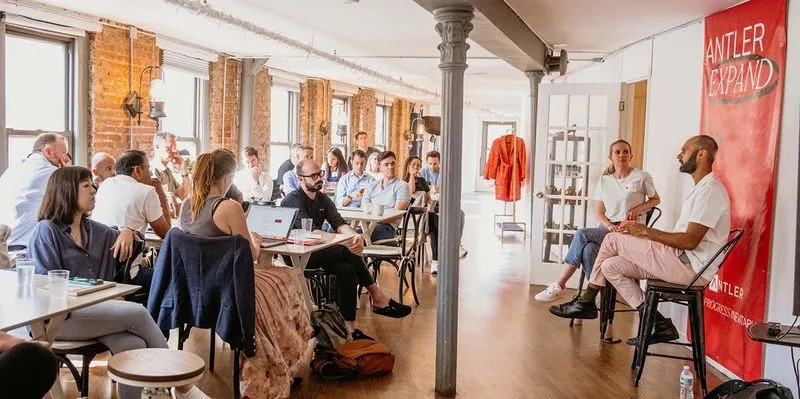
Antler is an early-stage venture capital firm founded in 2017, headquartered in Singapore. The firm is present in over 30 cities and has made over 1,500 investments in early-stage companies. In 2024, it topped the "Most Active Venture Capital Globally" category in PitchBook's Annual Global League Table, with 443 deals.
Antler operates fundamentally differently from the cohort-based accelerators above. Founders join the Residency before forming a company, use the program to find co-founders and validate ideas, and receive investment only after pitching an investment committee at the end of the residency. The model suits founders who are at the absolute beginning and want operational support during company formation rather than post-formation mentorship.
Best for: Solo founders or small teams at the idea stage who want a structured residency to find co-founders and validate their concept before committing to a specific product.
7. 500 Global Flagship Accelerator
Investment: $150,000 for 6% equity.
Duration: 4 months, in person at Palo Alto headquarters.
Application deadline: Rolling. Batch 37 ran Q1 2026. Check 500.co for current open batches.
Additional perks: Over $1 million in startup credits via the 500 FounderHub.
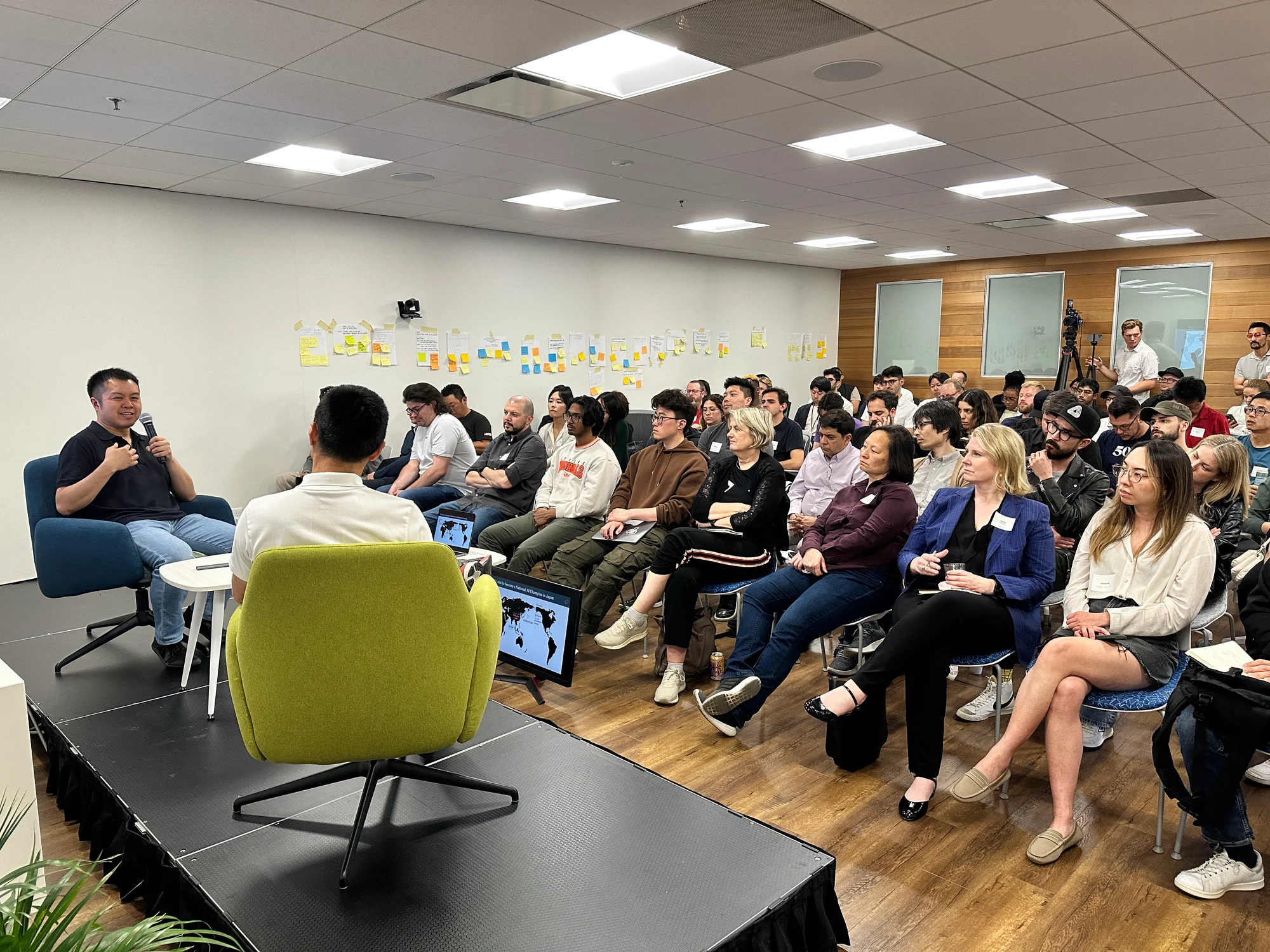
500 Global does not operate a dedicated India cohort in 2026 but actively accepts Indian founders in its Flagship Accelerator at Palo Alto headquarters. The terms are $150,000 for a 6% stake, delivered over a 4-month in-person program. Founders also receive over $1 million in credits via the 500 FounderHub.
500 Global has a strong India track record. 500 Global has invested in and supported a broad portfolio of startups across Southeast Asia, India, and the United States, making it a strong option for founders planning international expansion. The Palo Alto program is explicitly built for founders targeting the US market and gives Indian teams US market entry support alongside the capital.
Best for: India-US founders who want US market entry support, a globally recognized brand, and over $1 million in compute and SaaS credits on top of the cash investment.
8. Techstars Bangalore
Investment: $220,000 on the same updated terms as the global Techstars deal (see entry 2 above).
Duration: 3 months.
Application deadline: Check techstars.com for current open cohort applications.
Focus: B2B SaaS, enterprise software, and deep tech.
Techstars launched its Bangalore program in February 2019 as its first India program. It is now the most established global brand operating a dedicated India cohort, and it connects accepted companies directly into Techstars' network of thousands of mentors and a global alumni community spanning thousands of startups across multiple industries. For Indian founders building B2B products with US enterprise customers, the Techstars mentor network is one of the strongest in the world.
Best for: India-based B2B SaaS or enterprise founders who want the Techstars brand and network without relocating to the US.
9. Berkeley SkyDeck
Investment: $200,000 for 7.5% equity.
Duration: 6 months.
Application deadline: Applications for the next cohort are expected to open in late 2026.
Network: Hundreds of experienced advisors and investors through the UC Berkeley startup ecosystem.
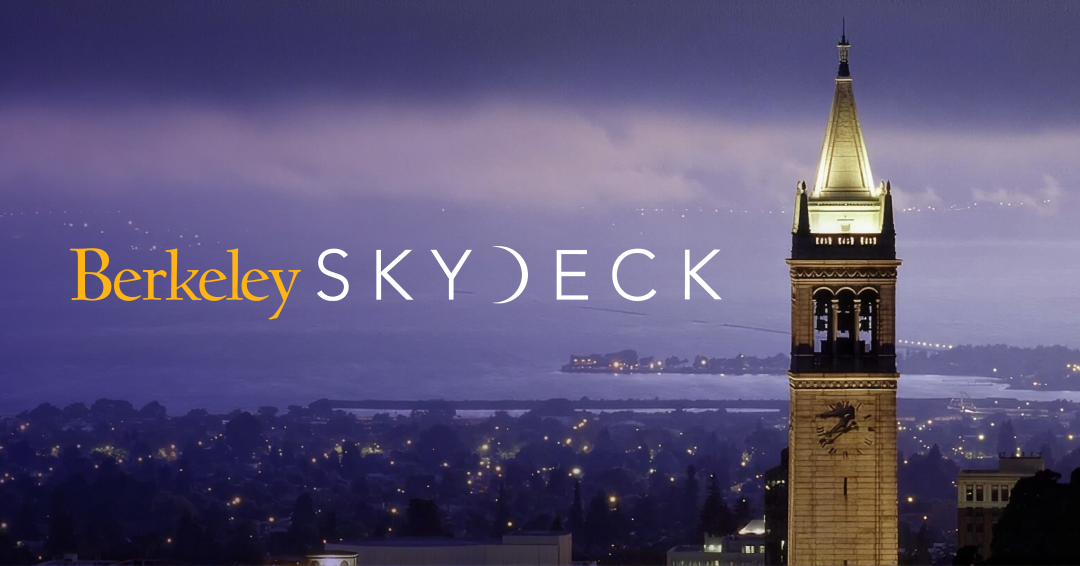
Berkeley SkyDeck runs a 6-month program investing $200,000 for 7.5% equity, while providing founders with access to UC Berkeley's research community, experienced advisors, and institutional investors through its accelerator program.
Berkeley SkyDeck is one of the few university-affiliated accelerators that consistently places companies with institutional investors. The 6-month duration is twice as long as most programs on this list, which means slower cohort movement but deeper operational support. The UC Berkeley network provides unique access to deep tech, biotech, and AI research that the purely investor-backed programs cannot replicate.
Best for: Deep tech, AI, or biotech founders who want a university research network alongside investor access, and who can benefit from a longer six-month program structure.
10. MassChallenge
Investment: No equity. No fee. Founders compete for non-dilutive cash prizes of up to $250,000. The Switzerland edition distributes up to CHF 1 million in prizes.
Duration: 4 months.
Application deadline: Rolling by program.
Alumni funding: Over $16 billion raised by alumni collectively. Many participating startups go on to raise follow-on funding after completing the program, although outcomes vary by company and cohort.
MassChallenge is the most founder-friendly program on this list from a dilution standpoint. Taking no equity means keeping full cap table control while still accessing mentorship, press, and investor exposure. The trade-off is that the non-dilutive prize competition format means companies that win significant funding are the exception rather than the rule. For founders who want proof of concept validation and investor exposure without giving up equity, MassChallenge is the best zero-dilution option globally.
Best for: Founders at the validation stage who want mentorship, press, and investor access without any equity dilution, particularly those in health, sustainability, and social impact.
11. Plug and Play Tech Center
Investment: Zero equity for program participation. Plug and Play Ventures may invest separately through its fund.
Duration: 12 weeks.
Application deadline: Rolling, with 30 or more vertical-specific programs.
Partners: 550 or more corporate partners across 25 or more verticals.
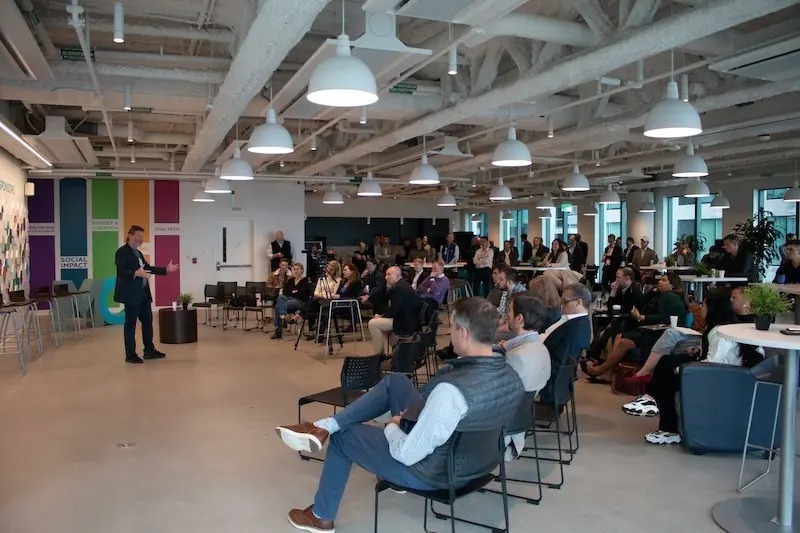
Plug and Play is one of the world's largest corporate innovation and accelerator platforms, connecting startups with enterprise partners across multiple industries. The 550 or more corporate partners include enterprise buyers in fintech, retail, insurance, mobility, health, and sustainability. For B2B founders who need pilot customers and enterprise distribution, Plug and Play's corporate network is unmatched. The program takes no equity, which means founders keep full dilution control while accessing a direct pipeline to decision-makers at Fortune 500 companies.
Best for: B2B founders who need enterprise pilot customers and corporate distribution partners, and who want to access that network without giving up equity.
12. a16z Speedrun
Investment: $1 million, terms not publicly specified.
Duration: Intensive multi-week program.
Application deadline: Check a16z.com for the current open cohort.
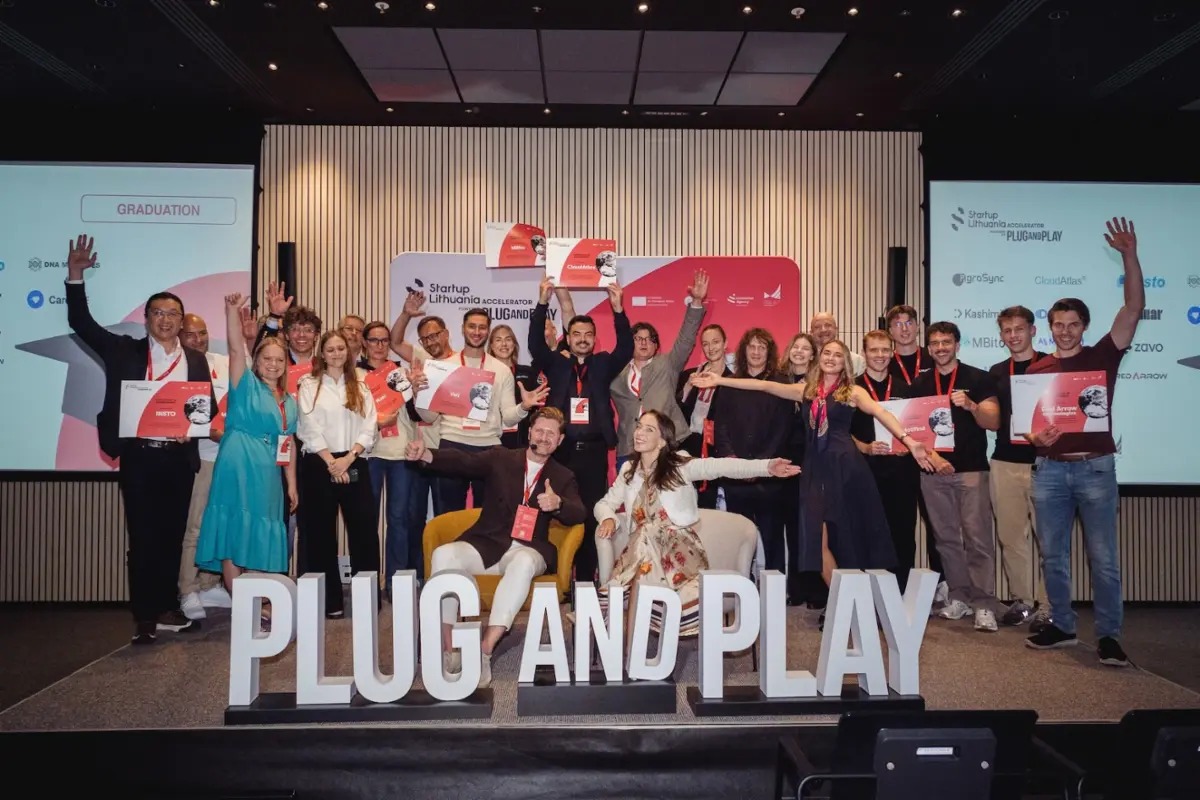
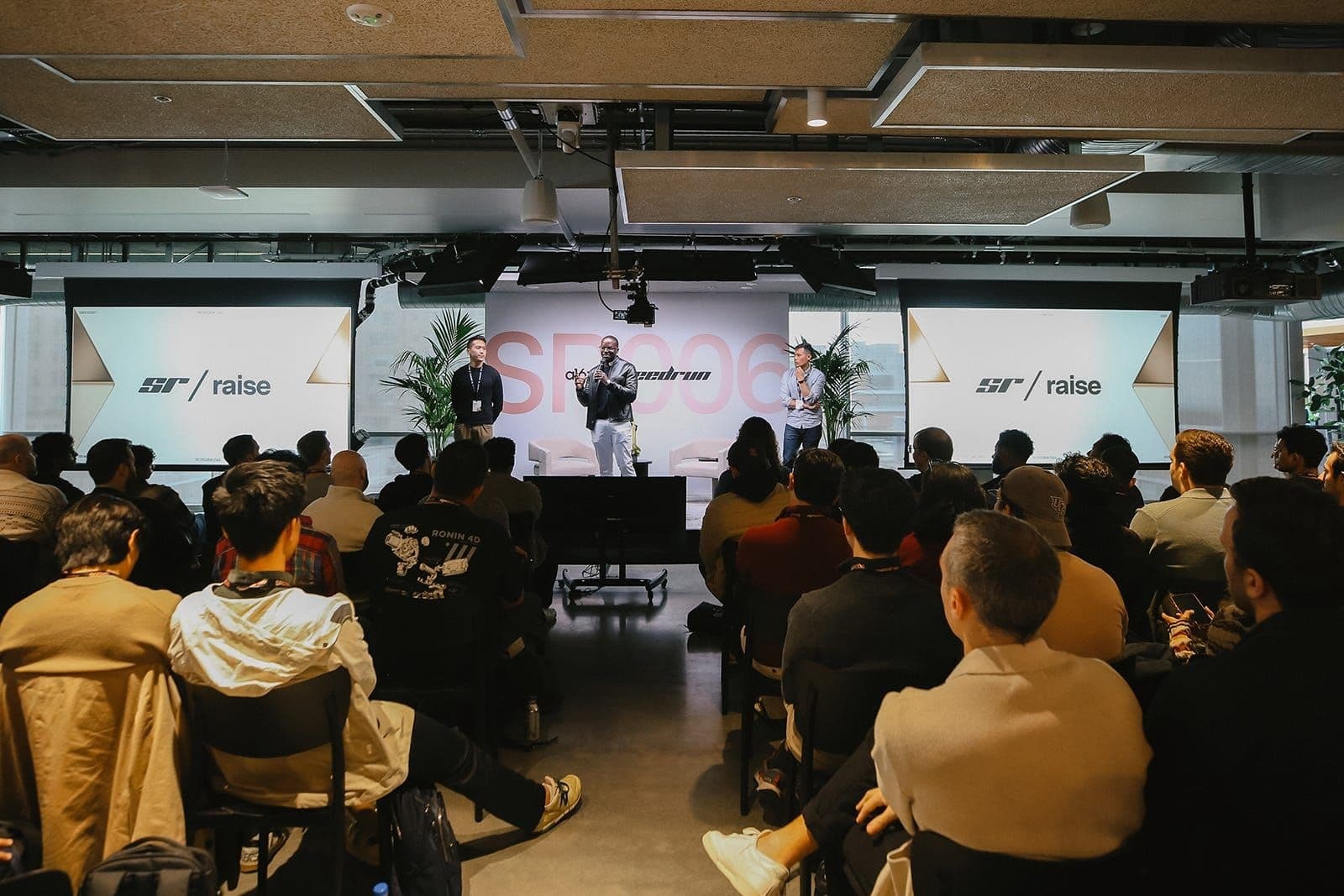
Andreessen Horowitz launched Speedrun as its dedicated early-stage acceleration program. The $1 million investment from a16z carries significant signal weight given the firm's portfolio brand, which includes companies across AI, crypto, consumer, and enterprise. Speedrun is newer than the other programs on this list, which means less historical data on outcomes but potentially more accessible for strong teams given lower application volume.
Best for: Founders who want the a16z brand at the earliest stage and who are building in AI, crypto, or consumer categories where a16z has the deepest domain expertise.
Quick Comparison Table
What Indian founders need to know before applying
Entity structure matters more than most founders realize: Most US-based programs require a Delaware C-Corp before investment can close. If you are incorporated as an Indian private limited company, factor in the time and cost of a US incorporation or flip before your target batch deadline.
In-person requirements vary: YC, EF, and 500 Global require founders to be in the US for significant periods during the program. Techstars Bangalore, Surge, and Antler India do not. If visa timelines or relocation costs are a constraint, focus applications on India-based programs or Techstars Anywhere first.
Equity math matters across the cap table: A 7% SAFE from YC plus a 15% investor in your seed round plus a 10% employee option pool means founders have given up roughly 32% before Series A. Every percentage point matters, particularly because qualifying founders may be eligible for significant tax benefits under the Qualified Small Business Stock (QSBS) rules, subject to meeting the applicable statutory requirements. Model the full dilution scenario before accepting any offer.
The India-US tax filing obligation begins at incorporation: As soon as a Delaware C-Corp is formed, Form 1120 is due annually regardless of revenue. If your Delaware C-Corp is subject to the Form 5472 filing requirements, reportable transactions with certain foreign related parties must generally be reported annually. Accelerator acceptance does not pause these obligations.
Getting your US entity set up before accelerator batch start, understanding the tax filings that begin immediately after incorporation, and ensuring your books are clean for investor due diligence at Demo Day are all things Inkle handles for India-US founders. Book a demo with Inkle to get your Delaware C-Corp, annual tax filings, and bookkeeping in order before your batch begins.
Frequently Asked Questions
Do Indian founders need a US entity to apply to Y Combinator?
No. YC accepts applications from companies incorporated anywhere in the world and does not require a US entity as a condition of applying. However, YC strongly advises Indian founders to incorporate in Delaware before or during the batch, and most YC portfolio companies complete a US incorporation to satisfy investor requirements for post-batch fundraising. If your company is incorporated in India at the time of acceptance, YC generally encourages founders to complete a Delaware incorporation or flip before raising institutional funding. The timing will depend on your fundraising plans and the specific guidance provided during the program.
How much equity do the top accelerators take from Indian startups?
Equity terms vary significantly by program. YC takes 7% as a fixed rate for all geographies. Techstars takes 5% common equity plus whatever the uncapped MFN SAFE converts into at the next round. 500 Global takes 6%. Entrepreneur First takes 8% on the first tranche. Surge negotiates equity on a company-by-company basis rather than applying a flat percentage. MassChallenge and Plug and Play take no equity. Matching the right program to your dilution tolerance is as important as matching it to your stage and sector.
Which accelerator is best for India-US founders building AI products in 2026?
Accel Atoms with the Google AI Futures Fund is the strongest option specifically designed for AI founders of Indian origin, offering up to $2 million alongside $350,000 in Google Cloud credits. Y Combinator accepted AI companies at approximately 60% of its 2026 batches and provides the strongest investor signal. For founders at the earliest stage without a product, Entrepreneur First's Bangalore cohort offers co-founder matching and up to $600,000 in AI infrastructure credits from OpenAI, Anthropic, and GitHub.
Can a non-resident Indian founder apply to these accelerators without relocating to the US?
Most programs accept applications from founders based in India. The relocation requirement typically applies during the program itself, not at the application stage. Programs like Surge, Techstars Bangalore, Antler India, and Accel Atoms allow founders to remain India-based throughout. Programs like YC, 500 Global, and EF's San Francisco track require in-person attendance in the US for at least part of the program. Techstars Anywhere offers a fully remote format for founders who can align with US time zones.
.jpg)