How AI Tax Planning Helps Businesses Lower Taxes and Stay Compliant


Tax planning has traditionally been reactive.
Most decisions were made after the year closed, using historical numbers and static spreadsheets. That approach often meant missed deductions, late adjustments, and limited room to improve outcomes once filings were already due.
AI changes how tax planning works. Instead of looking backward, it uses live financial data to forecast liabilities, test scenarios, and flag savings opportunities as they emerge.
For startups managing stock compensation or growing businesses dealing with multiple entities and jurisdictions, AI tax planning helps lower effective tax rates while keeping compliance costs under control. This article explains what AI actually does in tax planning, how it helps businesses save smarter, and how to use it responsibly in day-to-day operations.
What AI Actually Does in Tax Planning
The real value of AI tax planning lies in analyzing large volumes of financial and regulatory data continuously, then turning that data into planning signals you can act on before deadlines pass.
Here’s how AI can help in tax planning:-
i) Forecast Future Liabilities With Predictive Tax Analytics
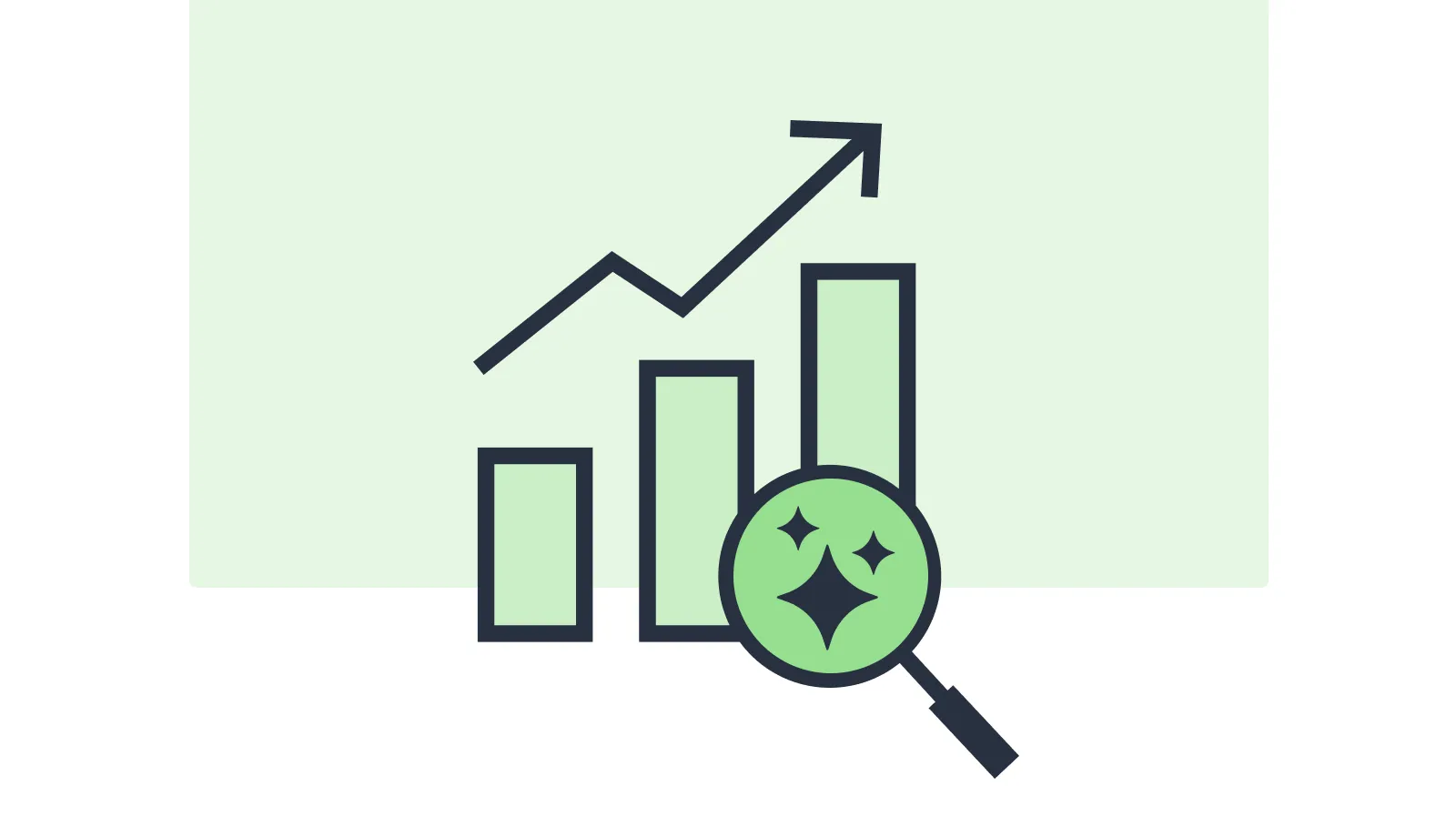
AI models use current bookkeeping data, prior filings, and historical trends to estimate future tax liabilities. Instead of waiting for year-end, you can see how today’s revenue, expenses, and payroll decisions affect taxes months in advance.
These forecasts help businesses time income recognition, expense acceleration, and elections more effectively. For example, AI can project whether deferring income or pulling forward deductions will lower the effective tax rate based on expected profitability and jurisdictional rules.
ii) Detect Patterns for Missed Savings
By scanning transactions, contracts, and prior returns, AI systems can surface patterns humans often miss, especially as data volume grows.
Common savings opportunities flagged include:
- Missed or incorrectly categorized deductions
- Underused credits such as R&D credits
- Inefficient entity structures that increase tax exposure
Instead of make decisions on their own, these signals highlight where deeper review can lead to savings.
iii) Compare Multi-Year Strategies With Scenario Simulation
AI can model multiple tax strategies across future periods and show their after-tax impact over time. Instead of guessing between options, you see side-by-side outcomes based on projected cash flow, growth, and regulatory constraints.
This makes AI tax planning practical for long-term decisions, not just annual filings.
How AI Helps Businesses Save Smarter
AI tax planning shifts tax decisions from one-time adjustments to ongoing strategy. Instead of reacting to numbers after the fact, businesses can make informed choices throughout the year.
i) Optimize Timing and Structure of Transactions
AI evaluates how the timing of income, expenses, and elections affects tax outcomes. It can recommend when to recognize revenue, accelerate deductions, or adjust entity elections based on projected profitability and rule changes.
This is especially useful for businesses dealing with irregular revenue, funding events, or cross-border structures where timing decisions carry long-term impact.
ii) Capture More Tax Credits and Incentives
Many credits and incentives go unused because they are hard to track or poorly documented. AI improves coverage by continuously scanning financial activity and tagging eligible items.
Common areas include:
- R&D credits tied to engineering and product spend
- Investment and capital expenditure credits
- State and local incentives linked to location or hiring
iii) Reduce Sales and Indirect Tax Overpayments
Indirect taxes are often overpaid due to incorrect classification or outdated rates. AI helps by mapping products and services to the correct tax categories and tracking rate changes across regions.
This reduces leakage in VAT and sales tax while lowering the effort needed to maintain accuracy.
How AI Makes Tax Compliance Easier and Cheaper
Tax compliance becomes expensive when it is rushed, manual, and disconnected from day-to-day finance data. AI reduces that friction by keeping compliance work continuous rather than seasonal.
i) Monitor Rules Continuously, Not Just at Year-End
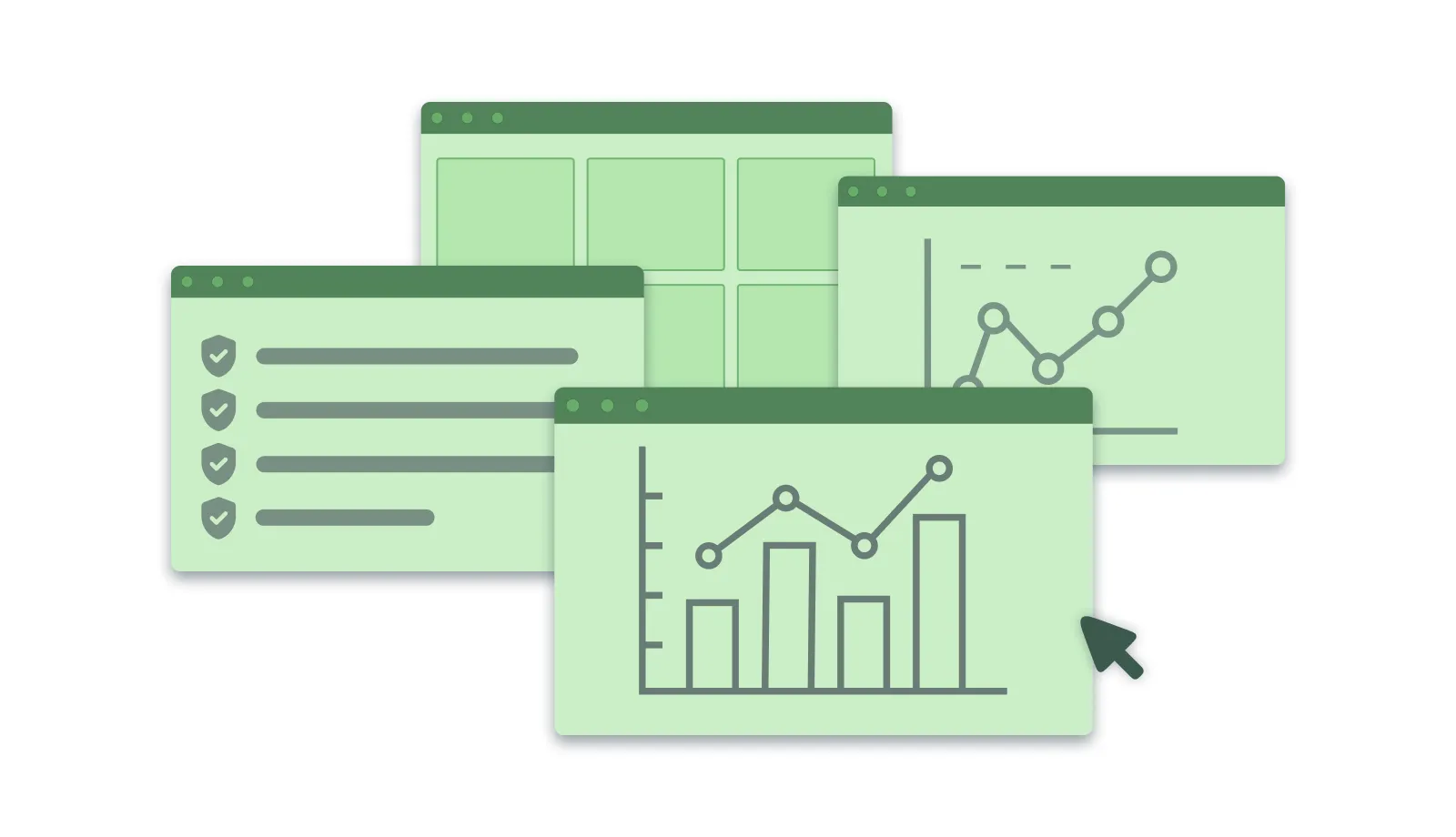
AI systems track changes in tax rules and thresholds as they happen. When new regulations affect rates, credits, or filing requirements, AI can flag exposure early instead of during return prep.
This helps businesses adjust behavior in real time, not after penalties or notices arrive.
ii) Build Stronger Audit Trails Automatically
Well-documented tax positions lower audit risk and review time. AI helps by maintaining structured records as part of normal operations.
Typical audit support includes:
- Linked documents tied to each tax position
- Clear logs of assumptions and data sources
- Transparent calculations that are easy to trace
iii) Cut Filing Prep Time and External Fees
By keeping data clean and categorized throughout the year, AI reduces the work needed during filing season. Many teams see major reductions in time spent preparing VAT, sales tax, and income tax returns.
Less manual cleanup also means fewer hours billed by external advisors.
AI Tax Planning Use Cases for Startups, Enterprises, and Tax Firms
AI tax planning looks different depending on business size and structure. The core idea stays the same, but the problems it solves and the value it creates vary by stage.
i) SMBs and Startups
For startups and small teams, tax planning is usually constrained by time, limited finance staff, and fast-changing numbers. AI helps by bringing structure and foresight early, without adding overhead.
Common use cases include:
- Automated expense tagging to surface deductible costs
- Stock compensation and founder pay planning tied to future tax impact
- Real-time cash tax forecasts to avoid surprises during fundraising or scale
ii) Mid-Market and Large Enterprises
Larger businesses face volume, jurisdictional spread, and structural complexity. AI supports planning by handling scale while keeping consistency across entities.
Typical applications include:
- Multi-jurisdiction tax modeling across states and countries
- Transfer pricing simulations using operational and financial data
- Forward-looking cash tax forecasting tied to growth and capital plans
iii) Tax Advisory Firms
For tax firms, AI acts as a co-pilot rather than a decision-maker. It speeds up research-heavy work and helps advisors focus on judgment and strategy.
AI is commonly used for drafting memos, generating planning ideas, summarizing regulations, and organizing compliance research. Advisors still review, validate, and finalize recommendations, but they spend less time on manual prep and repetitive analysis.
Know the Limits of AI in Tax Strategy
AI improves speed, coverage, and visibility in tax planning, but it is not a decision-maker. Knowing where AI helps and where human judgment is required keeps your tax strategy safe and defensible.
i) AI Isn’t a Replacement for a Tax Professional
AI works best with structured data and repeatable patterns. It can struggle with edge cases, one-off transactions, or situations where intent and interpretation matter more than math.
Complex restructures, aggressive positions, and judgment-heavy elections still require review by an experienced tax professional. AI highlights options and risks, but people decide what is appropriate to file and defend.
ii) Governance and Data Protection Are Non-Negotiable
Using AI responsibly means putting clear controls around how models are used and what data they access.
Key safeguards for AI tax planning include:
- Defined approval checkpoints before acting on AI suggestions
- Controlled access to models and sensitive financial data
- Clear data residency and retention policies
When governance is weak, AI can increase risk instead of reducing it.
How Inkle Supports AI-Powered Tax Planning
AI is most useful in tax planning when it works on clean, real-time data and every recommendation is reviewed before action. That is the approach Inkle takes with AI-powered tax planning:-
i) Plan Smarter with Real-Time Data and Expert Review
Inkle uses AI on top of live bookkeeping data to spot deduction opportunities, credit eligibility, and timing strategies throughout the year. Instead of waiting for year-end, you can see how today’s decisions affect future tax outcomes.
Every AI-driven signal is reviewed by tax professionals before it becomes a recommendation. This keeps planning grounded in current rules and business context, not just model output.
ii) Cross-Border and Multi-Entity Ready
Inkle is built for businesses operating across entities and geographies, where tax planning often breaks down.
Inkle’s key capabilities include:
- US filing support across entities
- Tax forecasts generated directly from books
- Alerts for filing windows and entity-level planning opportunities
Book a free demo with Inkle to see how AI-powered tax planning fits into your finance stack.
Frequently Asked Questions
1. What is AI tax planning?
AI tax planning uses predictive analytics and automation to forecast liabilities, test timing strategies, and reduce overall tax exposure using live financial data.
2. Can AI help find missed deductions or credits?
Yes. AI scans expenses, contracts, payroll, and prior filings to flag missed opportunities such as R&D credits or investment-related deductions.
3. How does AI reduce compliance risk?
It monitors rule changes continuously, maintains audit-ready logs, and standardizes calculations, which lowers manual errors and late surprises.
4. What kind of businesses benefit most from AI tax tools?
Startups, multi-state operators, and global businesses see the biggest gains due to frequent changes, scale, and structural complexity.
5. Is AI a replacement for a tax advisor?
No. AI supports analysis and planning signals, but expert review is required to interpret rules, assess risk, and finalize positions.